
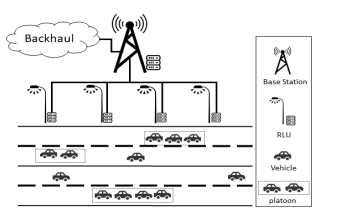
Integrated VLC/RF Wireless Technologies for Reliable Content Caching System in Vehicular Networks
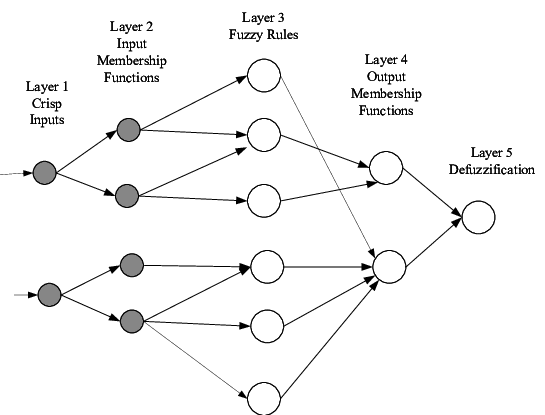
Neuro-fuzzy system for 3-dof parallel robot manipulator
Planar Parallel manipulators (PPMs) are widely used these days, as they have many advantages compared to their serial counterparts. However, their inverse and direct kinematics are hard to obtain, due to the complexity of the manipulators' behavior. Therefore, this paper provides a comparative analysis for two methods that were used to obtain the inverse kinematics of a 3-RRR manipulator. Instead of the conventional algebraic and graphical methods used for attaining the mathematical models for such manipulators, an adaptive neuro-fuzzy inference structure (AFNIS) model was alternatively
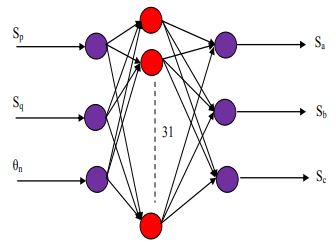
Neural Network Based Switching State Selection for Direct Power Control of Three Phase PWM-Rectifier
This article proposes an intelligent approach to the Direct Power Control technique of the PWM rectifier, this control technique improves the performance of PWM converter, called Direct Power Control Based on Artificial Neural Network (ANN), applied for the selection of the optimal control vector. DPC-ANN ensures smooth control of active and reactive power in all Sectors and reduces current ripple. Finally, the developed DPC was tested by simulation, the simulation results proved the excellent performance of the proposed DPC scheme. © 2018 IEEE.
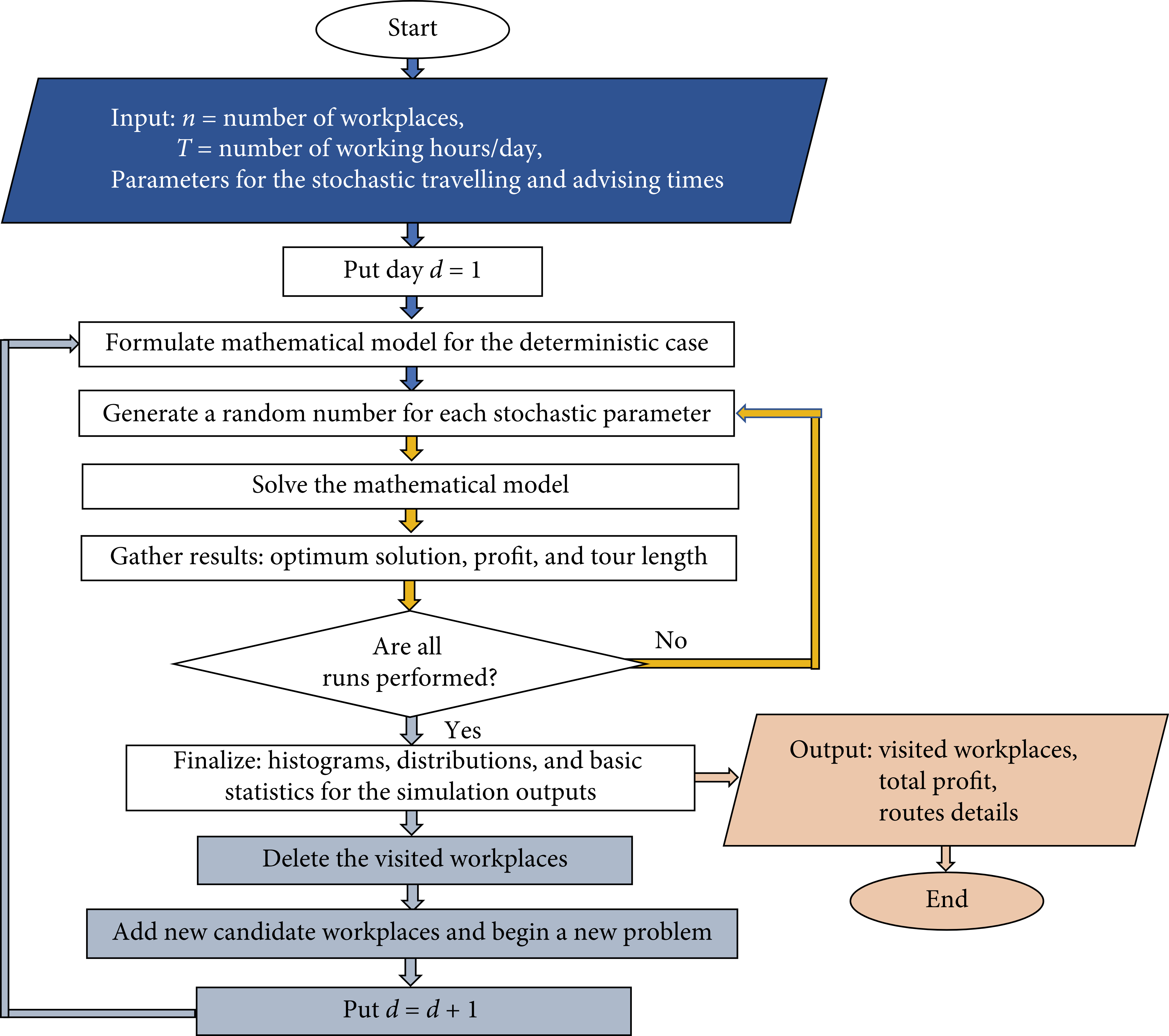
Stochastic travelling advisor problem simulation with a case study: A novel binary gaining-sharing knowledge-based optimization algorithm
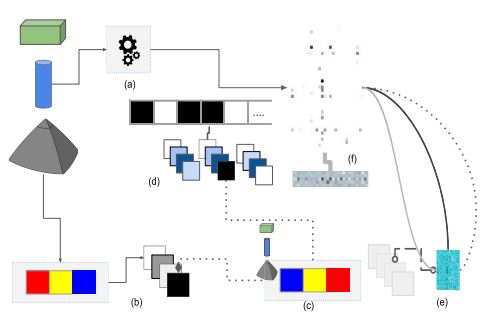
Neural Knapsack: A Neural Network Based Solver for the Knapsack Problem
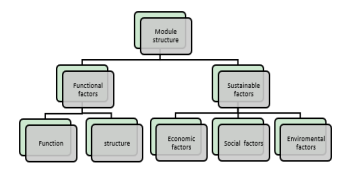
Sustainable Product Design through Non-dominated Sorting Cuckoo Search
Sustainability is an important consideration in product design. The sustainable design should fully consider the environmental, social, and economic factors of the product. However, the three factors are often conflicting with each other. This paper aims to strike a balance between these factors and achieve sustainable product design through multi-objective optimization. The three influencing factors of sustainability, namely, the environmental factor, social factor and economic factor, were respectively defined as environmental impact, labor time and labor cost. Then, the product to be
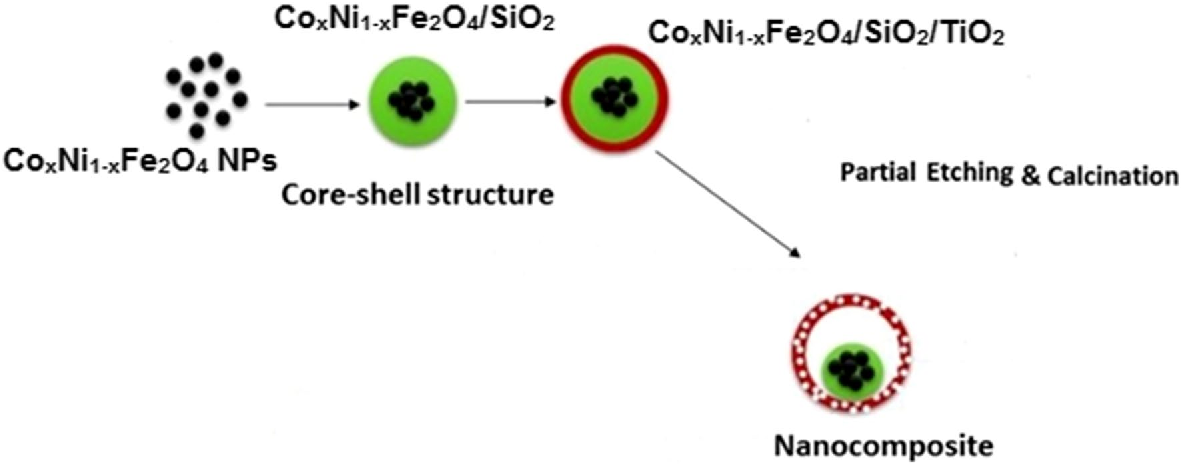
Layer-by-layer preparation and characterization of recyclable nanocomposite (CoxNi1−xFe2O4; X = 0.9/SiO2/TiO2)
Titanium dioxide (TiO2) nanocomposites have been extensively employed in many fundamental optoelectronic and photocatalytic applications due to their outstanding optical, electronic and chemical properties. In the present work, we introduce a simple layer-by-layer approach to design a magnetic TiO2 nanocomposite that could be easily recycled using an external magnetic field without affecting its quantum efficiency. The crystallinity, size, surface area, stability, morphology, purity and other optical, thermal and magnetic properties of the composite have been investigated. Surface topology
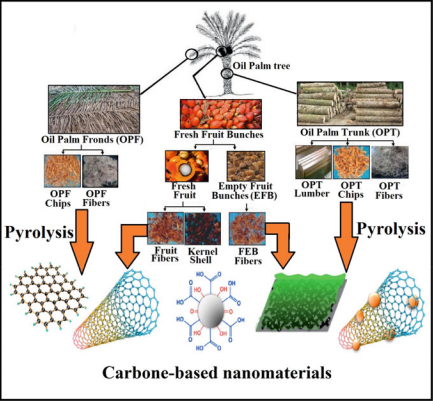
Recent Trends of Recycled Carbon-Based Nanomaterials and Their Applications
“There’s Plenty of Room at the Bottom: An Invitation to Enter a New Field of Physics” said Richard Feynman in 1959, this lecture opened the way to the new field of science which we know today as nanotechnology. Materials’ manipulation at a very small size, ranges from 1 to 100 nm (nanoworld or the nano-edge) is well-known as nanotechnology. Since then, a lot of investigations and research were devoted by many researchers around the globe to keep an eye on the different properties and behavior of nanomaterials. Materials with at least one nanoscale dimension are called nanomaterials that have
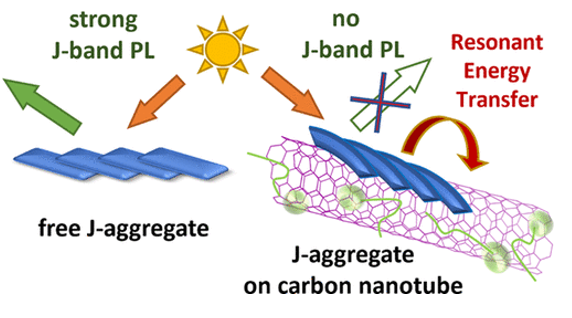
J-aggregates of amphiphilic cyanine dyes for dye-sensitized solar cells: A combination between computational chemistry and experimental device physics
We report on the design and structure principles of 5,5′-6,6′-tetrachloro-1,1′-dioctyl-3,3′-bis-(3-carboxypropyl)-benzimidacarbocyanine (Dye 1). Such metal-free amphiphilic cyanine dyes have many applications in dye-sensitized solar cells. AFM surface topographic investigation of amphiphilic molecules of Dye 1 adsorbed on TiO2 anode reveals the ability of spontaneous self-organization into highly ordered aggregates of fiber-like structure. These aggregates are known to exhibit outstanding optical properties of J-aggregates, namely, efficient exciton coupling and fast exciton energy migration
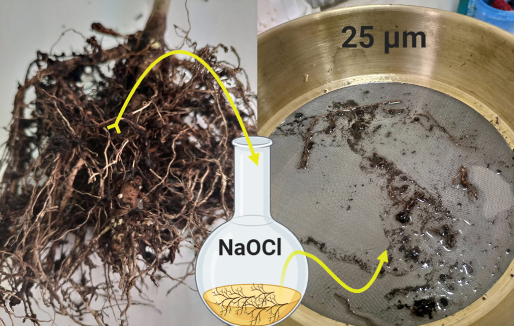
Chitosan and EDTA conjugated graphene oxide antinematodes in Eggplant: Toward improving plant immune response
A new strategy regarding the fabrication of chitosan (CS) or ethylene diamine tetraacetic acid (EDTA) on graphene oxide (GO) was performed. The nematocidal potential against Meloidogyne incognita causing root-knot infection in eggplant was tested. The plant immune response was investigated through measuring the photosynthetic pigments, phenols and proline contents, oxidative stress, and antioxidant enzymes activity. Results indicating that, the treatment by pure GO recorded the most mortality percentages of M. incognita 2nd juveniles followed by GO-CS then GO-EDTA. In vivo greenhouse