

Investigation of properties limiting efficiency in Cu2ZnSnSe4-based solar cells
We have investigated different nonidealities in Cu2ZnSnSe4-CdS-ZnO solar cells with 9.7% conversion efficiency, in order to determine what is limiting the efficiency of these devices. Several nonidealities could be observed. A barrier of about 300 meV is present for electron flow at the absorber-buffer heterojunction leading to a strong crossover behavior between dark and illuminated current-voltage curves. In addition, a barrier of about 130 meV is present at the Mo-absorber contact, which could be reduced to 15 meV by inclusion of a TiN interlayer. Admittance spectroscopy results on the
Hierarchical proactive caching for vehicular ad hoc networks
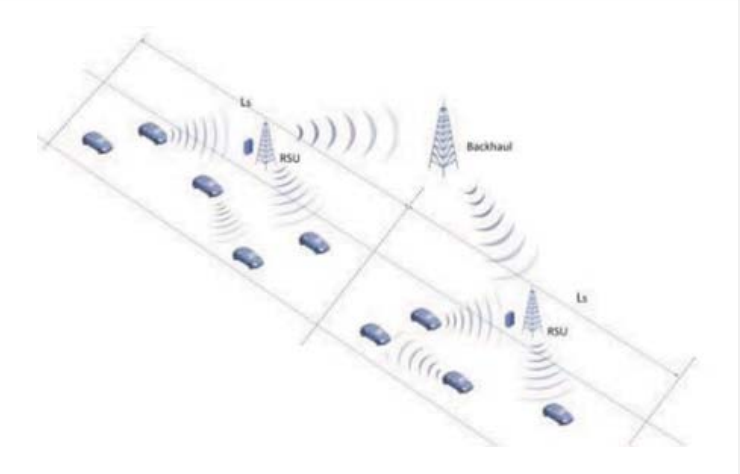
Recently, emerging vehicular applications are increasing the demand of vehicles which form significant burdens on network backhaul and represents a cause to the quality of experience (QoE) decay of the vehicular users. Proactive caching is a promising technique to mitigate the load on core networks by caching some of the expected data items. This work proposes a hierarchical proactive caching scheme which jointly considers caching in vehicles and roadside units (RSUs). Minimization of the vehicle communication latency is the main objective of our study. The optimization problem is formulated
Geographic Routing with Cooperation for Reliable Paths in Device-to-Device Networks
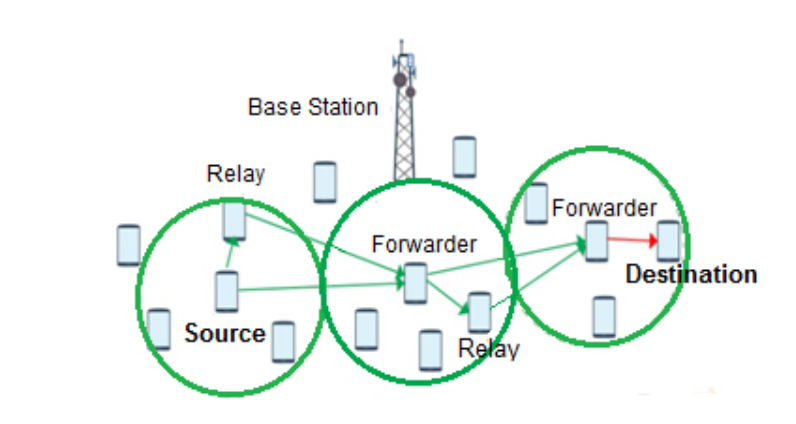
In this paper, we introduce a novel geographic routing with cooperation scheme for 5G Device-to-Device ad hoc networks. The prime focus of our scheme (coined Cooperative Routing for Reliable Paths (CRRP)) is to enhance the routing performance in cooperative communication networks in terms of the path length and reliability. In particular, it introduces novel algorithms for cooperative relay and forwarder selections, which strike the best balance between path length and achieved symbol error rate, compared to prior work in the literature. Moreover, it exhibits the flexibility of deciding
Fabrication of bio-plastic composite pellets from agricultural waste and food waste
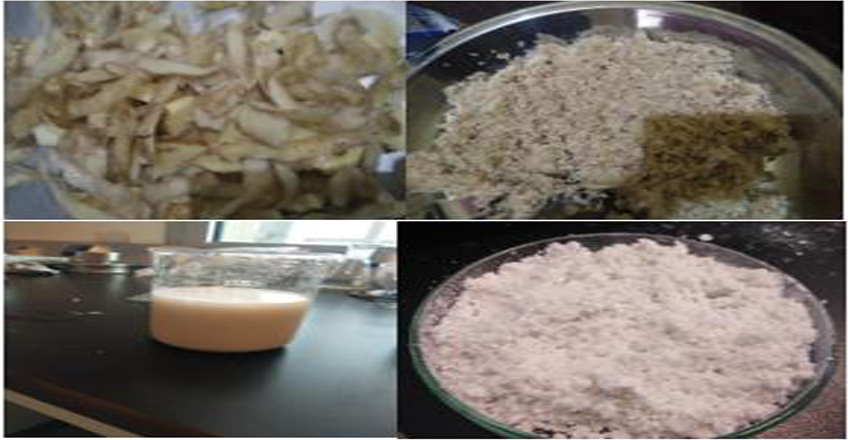
This study aims to produce starch bioplastic pellets from food waste such as potato peels. Measuring the ease of flow of the melt is crucial for producing these pellets. The melt flow index (MFI) is measured in this study to evaluate the consistency of the produced pellets and determine the extent of degradation of the plastic because of molding. This study investigates the effect of adding different fillers to the starch matrix on reducing the MFI value. The fillers used in this work are nano chitosan, nano potato peel, and micro cellulose fillers. The fillers were used with different
Extraction of degradable bio polymer materials from shrimp shell wastes by two different methods
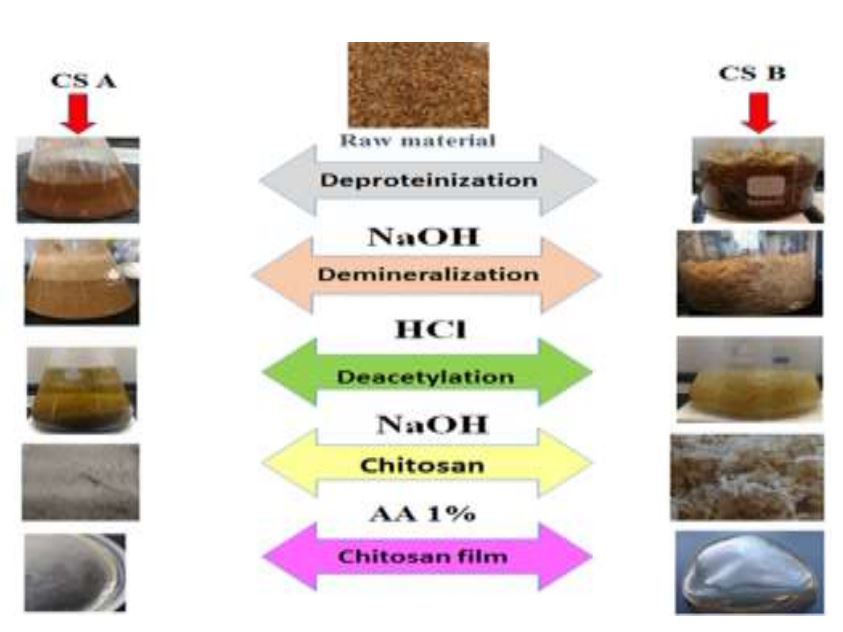
Chitosan is one of the most widespread biopolymer materials available in nature which is extracted from chitin. The main source of chitosan is the chitin that is extracted from exoskeletons of crustacean, such as shrimp and crabs, which are found in a huge amount of shells waste that produced from seafood companies around the world. The chitosan has several applications such as pharmaceutical, fertilizer and edible coating in food industries. The quality of the chitosan's depends on its extraction method, so in this research work we have studied the effect of grounding shrimp shell waste
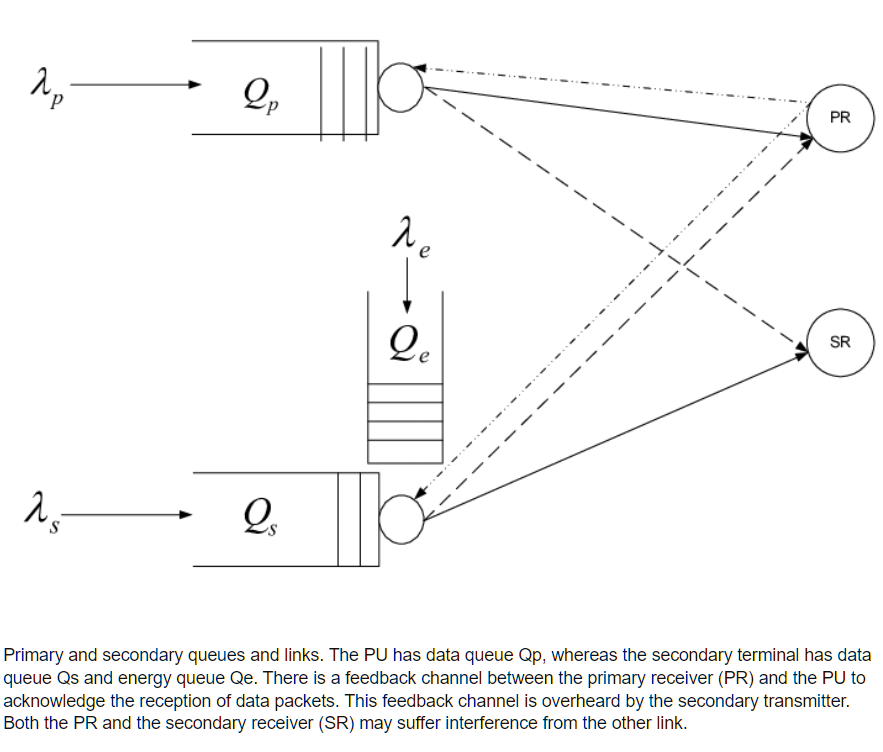
Optimal random access and random spectrum sensing for an energy harvesting cognitive radio
We consider a secondary user with energy harvesting capability. We design access schemes for the secondary user which incorporate random spectrum sensing and random access, and which make use of the primary automatic repeat request (ARQ) feedback. The sensing and access probabilities are obtained such that the secondary throughput is maximized under the constraints that both the primary and secondary queues are stable and that the primary queueing delay is kept lower than a specified value needed to guarantee a certain quality of service (QoS) for the primary user. We consider spectrum sensing

Optimal random access for a cognitive radio terminal with energy harvesting capability
We consider a cognitive radio scenario with an energy harvesting secondary user (SU) attempting to access a primary channel randomly. We assume multipacket reception (MPR) capability and investigate a system in which the SU may or may not exploit the primary feedback messages. The access probabilities are obtained to maximize the secondary throughput under the constraints of primary queue stability and such that the primary queueing delay is kept below a specified value in order to guarantee a certain quality of service (QoS) for the primary user (PU). We investigate the impact of the energy
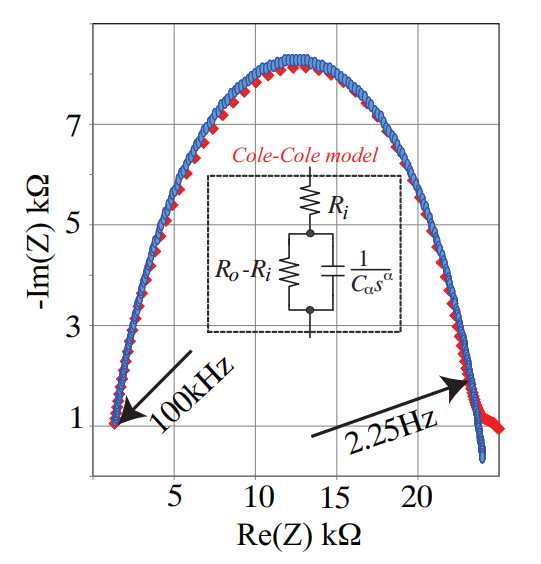
Cole-Cole Bio-Impedance Parameters Extraction from a Single Time-Domain Measurement
We show that the four parameters of a single-dispersion Cole-Cole bio-impedance model can be extracted from an one time-domain measurement with a fixed frequency. In particular, a periodic triangle waveform current excitation signal is injected into the biological sample under study while measuring the voltage developed across this sample in a galvanostatic measurement setup. The voltage response due to this triangle-wave excitation is firstly analytically derived in closed form. After that the Flower Pollination optimization Algorithm (FPA) is applied to extract the unknown model parameters
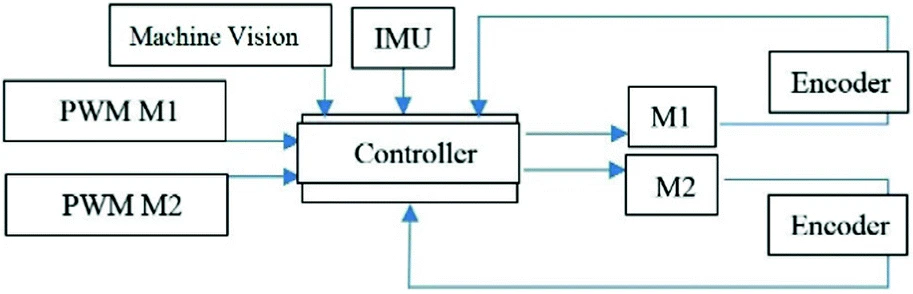
Agricultural Service Mobile Robot Modeling and Control Using Artificial Fuzzy Logic and Machine Vision
This paper represents modeling and control of an agricultural service skid steering mobile robot for the purposes of grass cutting using Proportional-Integral-Derivative (PID) controller and Fuzzy Logic techniques and feedback signals from sensors as IMU, encoders, and Machine Vision. The paper deals with the system modeling into two methods: The first is using Fuzzy modeling as a modeling tool for complex nonlinear system, the second is using MATLAB software system Identification Tool. The study Uses PID, Fuzzy logic controller and fuzzy self-tuning of PID controller to control the path
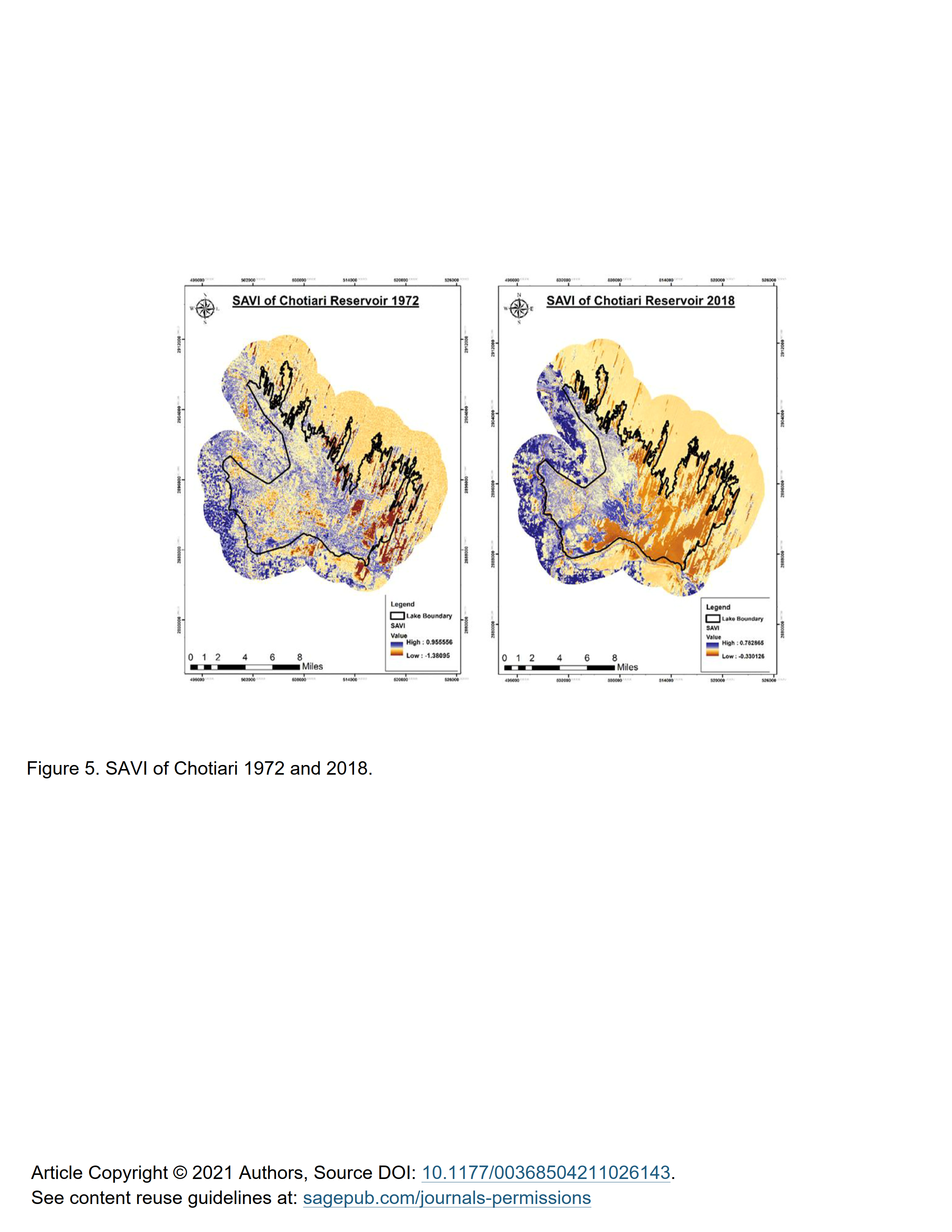
Geospatial analysis of wetlands based on land use/land cover dynamics using remote sensing and GIS in Sindh, Pakistan
In this study, the Land Use/Land Cover (LULC) change has been observed in wetlands comprises of Manchar Lake, Keenjhar Lake, and Chotiari Reservoir in Pakistan over the last four decades from 1972 to 2020. Each wetland has been categorized into four LULC classes; water, natural vegetation, agriculture land, and dry land. Multitemporal Landsat satellite data including; Multi-Spectral Scanner (MSS), Thematic Mapper (TM), and Operational Land Imager (OLI) images were used for LULC changes evaluation. The Supervised Maximum-likelihood classifier method is used to acquire satellite imagery for