
Gelatin Loaded Titanium Dioxide and Silver Oxide Nanoparticles: Implication for Skin Tissue Regeneration
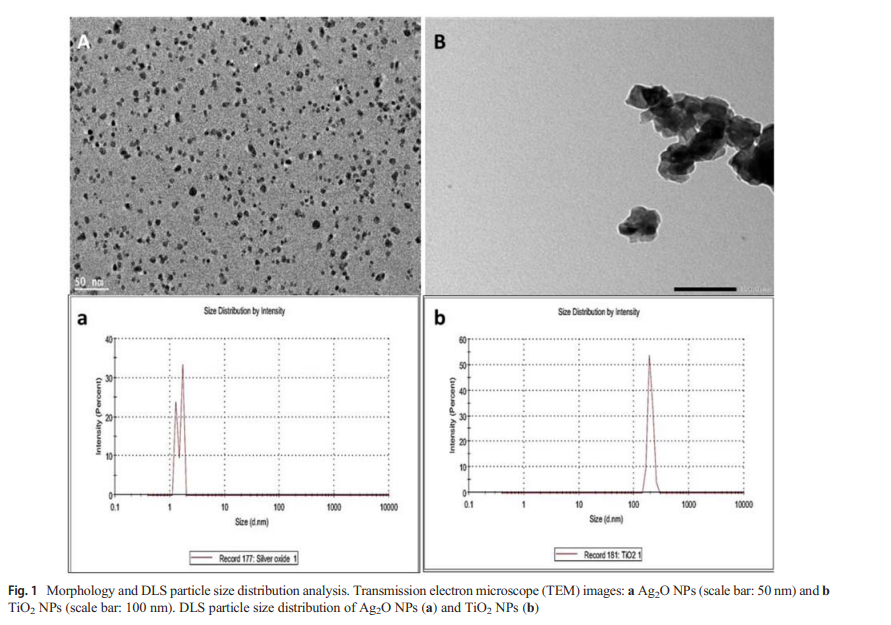
Treatment of burn wounds has many requirements to ensure wound closure with healthy tissue, increased vascularization, guarantee edema resolution, and control bacterial infection. We propose that titanium oxide (TiO2) nanoparticles (NPs) will be more efficient than silver dioxide (Ag2O) in the treatment of burn wounds. Herein, gelatin loaded NPs (GLT-NPs) were evaluated for their efficacy to regenerate second-degree burn wound in rabbit skin. TEM results revealed that the average particle sizes were ⁓ 7.5 and 17 nm for Ag2O and TiO2 NPs, respectively. The results of the in vivo application of
Response Surface Methodology Optimization of Mono-dispersed MgO Nanoparticles Fabricated by Ultrasonic-Assisted Sol–Gel Method for Outstanding Antimicrobial and Antibiofilm Activities
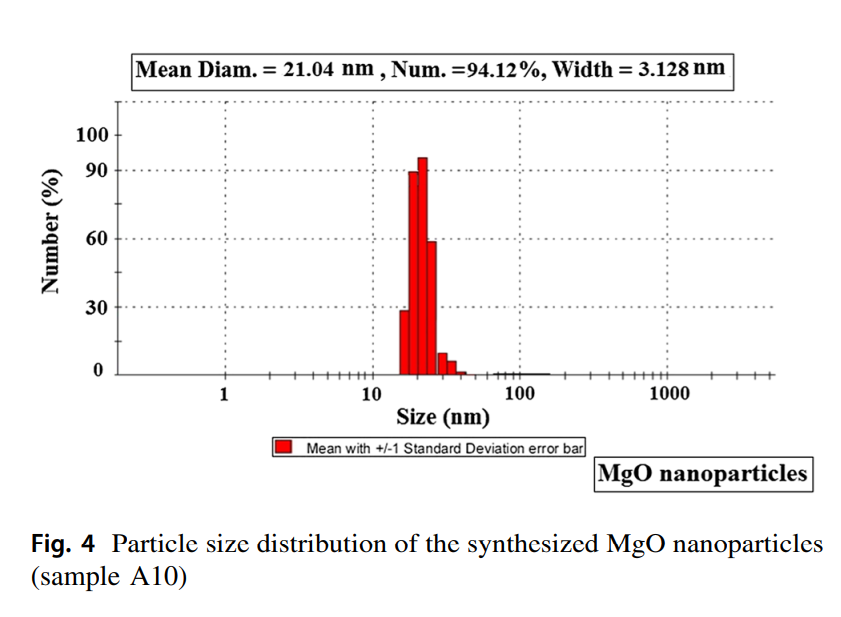
Magnesium oxide (MgO) nanoparticles are one of the highly significant compounds in construction. The novelty concentrated on using sol–gel technique coupled with ultrasonication for synthesis of MgO nanoparticles to prevent the agglomeration and its effect on the size was investigated. The synthesized samples were characterized by TGA, DSC, XRD, FTIR, SEM, EDX mapping, DLS, and HRTEM. Antimicrobial and antibiofilm activities of MgO nanoparticles were investigated against multidrug-resistant microbes causing-urinary tract infection (UTI). TGA, XRD, and FTIR characterization were used to
Performance optimisation of a pharmaceutical production line by integrated simulation and data envelopment analysis
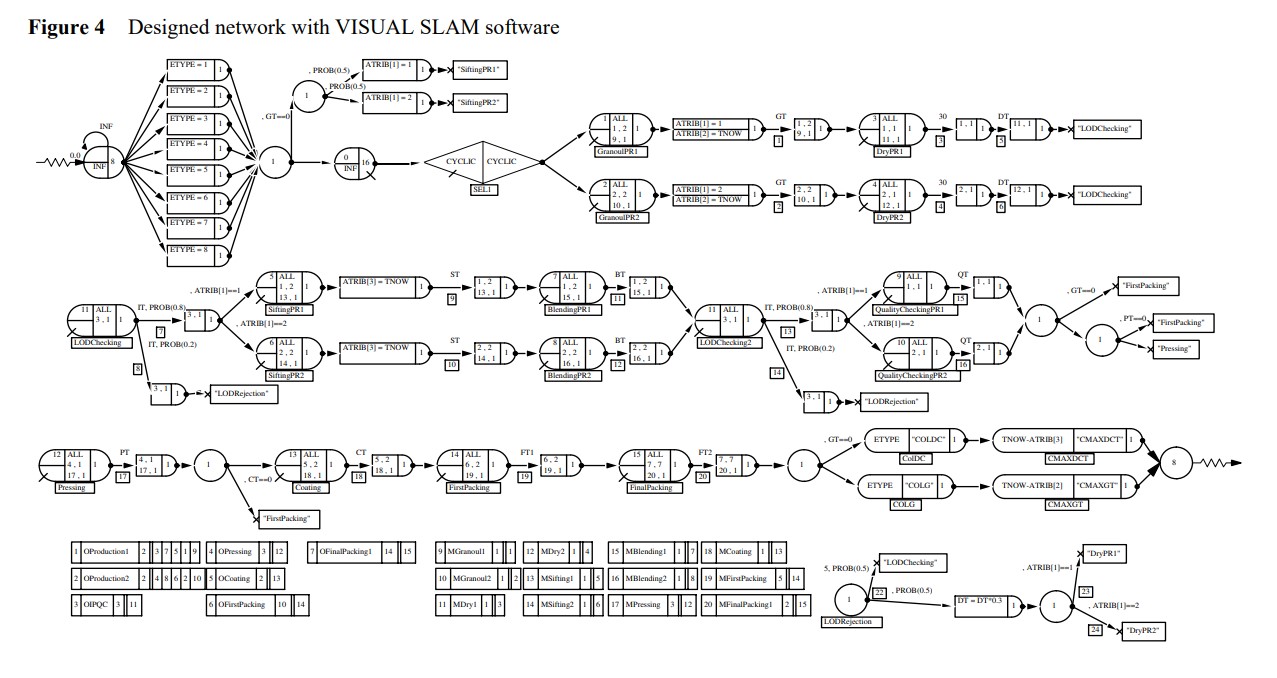
It seems that the use of mathematical models is not suitable for pharmaceutical production line optimisation and the use of simulation leads to better outputs and provides more flexibility than mathematical models. Therefore, in this study, a novel methodology based on the integration of simulation and data envelopment analysis is developed for performance optimisation of a pharmaceutical production line. For this purpose, first, an actual pharmaceutical production line was simulated, verified and validated. Afterwards, Data Envelopment Analysis (DEA) was developed for the scenario analysis
Rough set theory with Jaya optimization for acute lymphoblastic leukemia classification
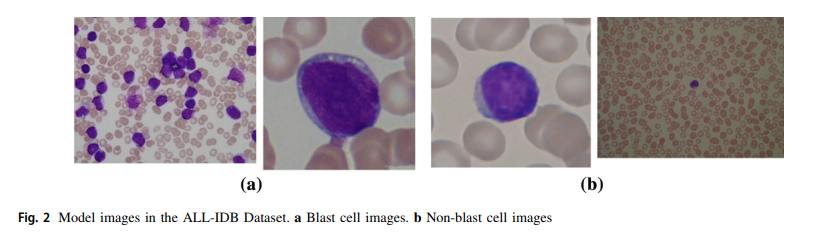
Early diagnosis of malignant leukemia can enormously help the physicians in choosing the right treatment for the patient. A lot of diagnostic techniques are available to identify leukemia disease, but these techniques are costly. Hence, there is a need for a less time-consuming and cost-effective method for the classification of leukemia blood cells. In this paper, application of graphical user interface technique for the differentiation of acute lymphoblastic leukemia nucleus from healthy lymphocytes in a medical image is described. This method employs backtrack search optimization algorithm
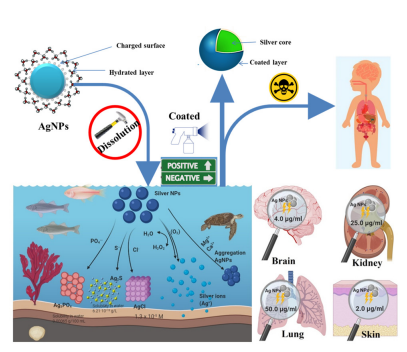
An overview of methods for production and detection of silver nanoparticles, with emphasis on their fate and toxicological effects on human, soil, and aquatic environment
Silver nanoparticles (AgNPs) have been extensively used in various industries; however, this is accompanied by several implications to humans and the environment. This review focuses on different aspects of AgNPs including the production and detection techniques, their fate, and dynamics in response to different environmental factors. In addition, this review illustrates the toxicity mechanism and the interaction of AgNPs with different matrices, such as aquatic environment, soil, crops, and humans. Reduction measures and future research are discussed. © 2021 Mohamed Mohamady Ghobashy et al
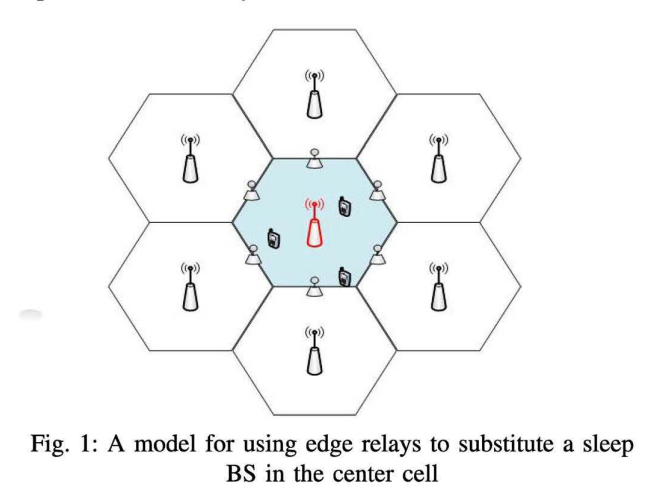
Joint relay assignment and adaptive modulation for energy-efficient cellular networks
Energy efficient operation of cellular systems becomes a core design goal for economic and environment-friendly network operation. Several studies have shown that the energy consumed in base stations represents 60-80% of the energy consumption in cellular networks. In this paper, we develop an optimization framework that exploits several energy efficient techniques including switching power modes of base stations, Adaptive Modulation (AM), and the use of relays. Our main objective is to reduce both, transmitted and circuit power, subject to satisfying the quality of service constraints. To
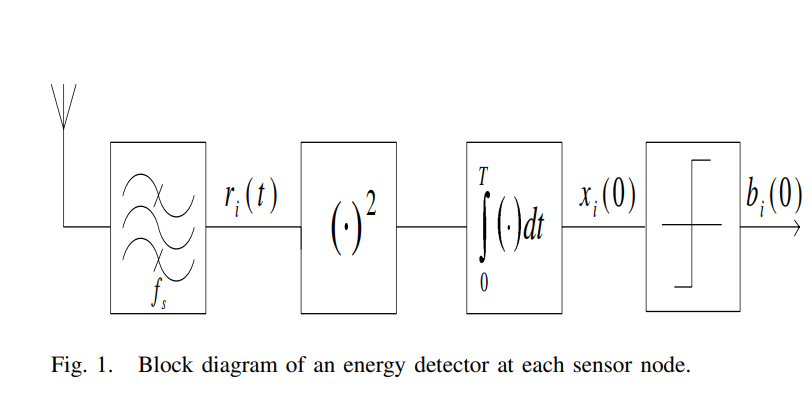
Censoring for improved sensing performance in infrastructure-less cognitive radio networks
Censoring has been proposed to be utilized in wireless distributed detection networks with a fusion center to enhance network performance in terms of error probability in addition to the well- established energy saving gains. In this paper, we further examine the employment of censoring in infrastructure-less cognitive radio networks, where nodes employ binary consensus algorithms to take global decisions regarding a binary hypothesis test without a fusion center to coordinate such a process. We show analytically - and verify by simulations - that censoring enhances the performance of such
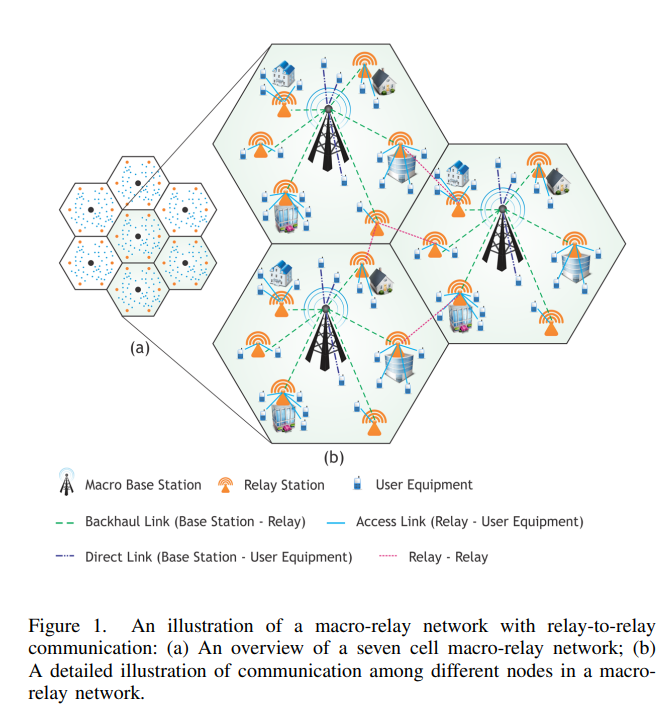
Towards energy efficient relay placement and load balancing in future wireless networks
This paper presents an energy efficient relay deployment algorithm that determines the optimal location and number of relays for future wireless networks, including Long Term Evolution (LTE)-Advanced heterogeneous networks. We formulate an energy minimization problem for macro-relay heterogeneous networks as a Mixed Integer Linear Programming (MILP) problem. The proposed algorithm not only optimally connects users to either relays or eNodeBs (eNBs), but also allows eNBs to switch into inactive mode. This is possible by enabling relay-to-relay communication which forms the basis for relays to
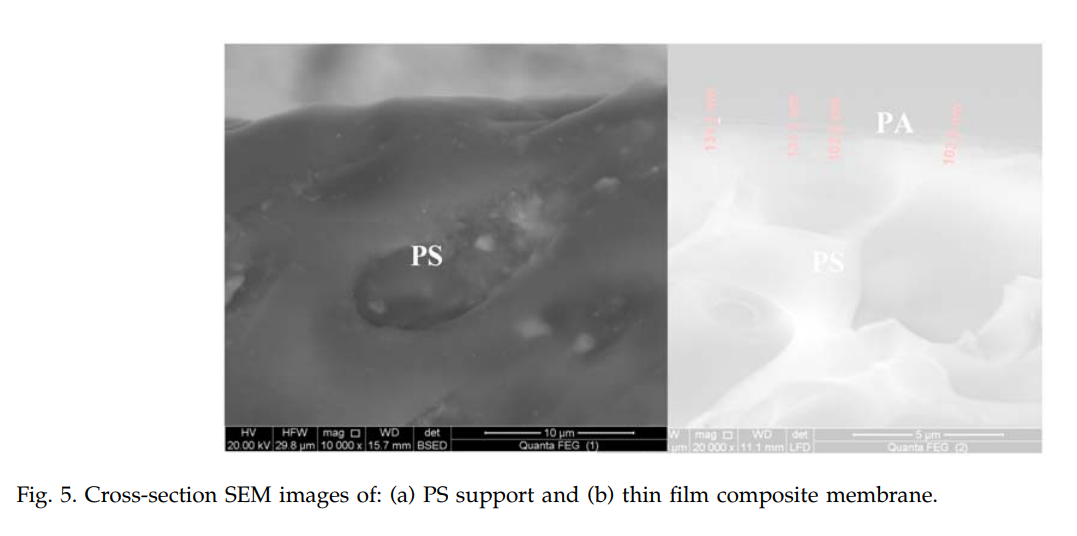
Performance assessment of prepared polyamide thin film composite membrane for desalination of saline groundwater at Mersa Alam-Ras Banas, Red Sea Coast, Egypt
This study aims to enhance the performance of the flat sheet thin-film composite (TFC) polyamide-polysulfone reverse osmosis (RO) membranes. Composite RO membranes with high salt rejection were fabricated by treating a porous polysulfone (PS) support sequentially with a di-amine and then with a polyfunctional acid chloride, thereby forming a thin film of polyamide (PA) on the PS support. In order to establish conditions for the development of suitable thin-film composite (PS/TFC) membranes, various parametric studies were carried out which included varying the concentration of reactants