
Effect of wall thinning on the Shakedown Interaction Diagrams of 90-degree back-to-Back Bends Subjected to Simultaneous Steady Internal Pressures and Cyclic In Plane Bending Moments
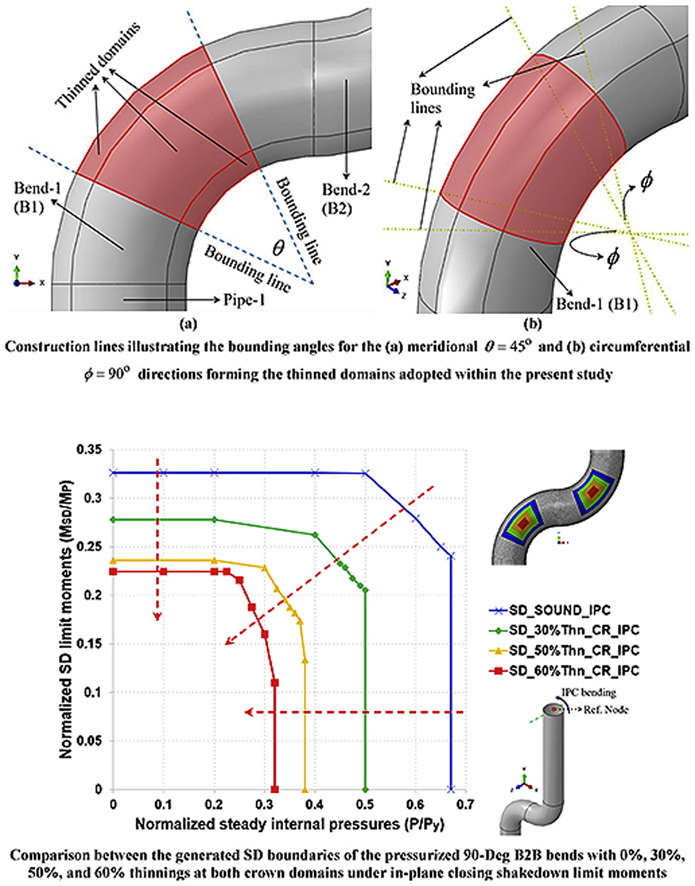
This research studies the effect of wall thinning on generated shakedown (SD) interaction diagrams of pressurized low-carbon steel 90-degree (90-Deg) back-to-back (B2B) bends. More precisely, the SD limit moments are determined for various steady internal pressure spectra thus generating the targeted SD boundaries. The SD limit moments are computed utilizing a direct non-cyclic technique termed: SD-DNT short for Shakedown-Direct Noncyclic Technique. The bends analyzed are subjected to simultaneous steady internal pressure spectra and cyclic in-plane closing (IPC) and in-plane opening (IPO)
Effect of cracks in wind turbine blades on natural frequencies during operation
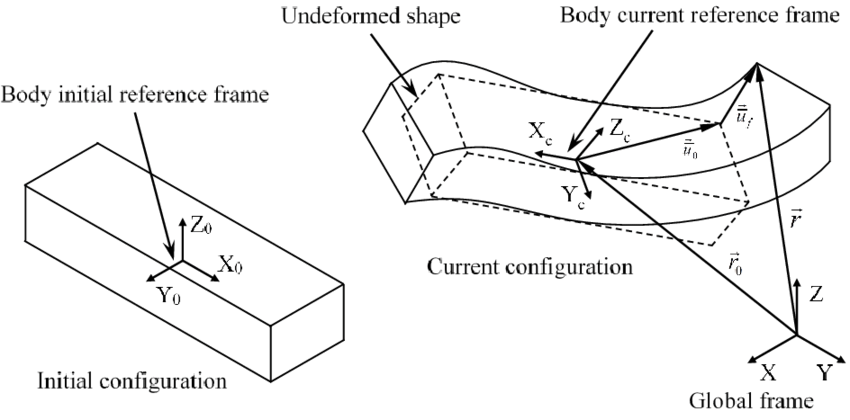
Most publications that are concerned with the crack detection via analyzing Eigenfrequencies or deformation modes of wind turbine blades (WTBs) are done in stationary condition. This paper however proposes a novel approach that could study the effect of WTB cracks during rotation at any speed without the need to stop the turbine by using multibody analysis. This approach will reduce the cost of its maintenance substantially, since it will avoid the cost of downtime for wind turbine during crack detection. This approach considers both the increase in stiffness due to rotation (known as
Dynamic behavior of polyurea composites subjected to high strain rate loading
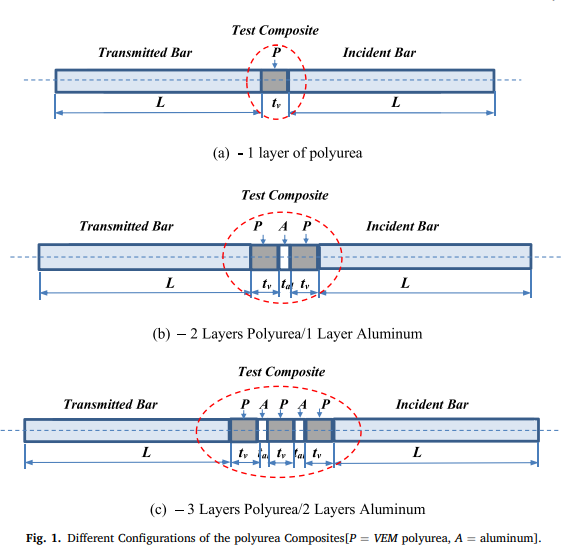
A comprehensive theoretical and experimental investigation is presented of the behavior of polyurea composites subjected to high strain-rate impact loading. The composites under consideration consist of an assembly of steel sections and inserts manufactured from layers of polyurea or polyurea augmented with aluminum layers (AL). A finite element model (FEM) is developed to predict the dynamics of this class of polyurea composites by integrating the dynamics of the solid steel sections with those of polyurea using the Golla-Hughes-Mctavish (GHM) mini-oscillator approach. The predictions of the
Drone deep reinforcement learning: A review
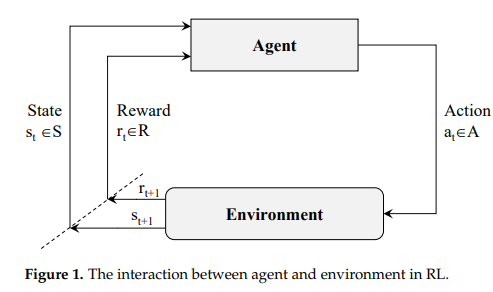
Unmanned Aerial Vehicles (UAVs) are increasingly being used in many challenging and diversified applications. These applications belong to the civilian and the military fields. To name a few; infrastructure inspection, traffic patrolling, remote sensing, mapping, surveillance, rescuing humans and animals, environment monitoring, and Intelligence, Surveillance, Target Acquisition, and Reconnaissance (ISTAR) operations. However, the use of UAVs in these applications needs a substantial level of autonomy. In other words, UAVs should have the ability to accomplish planned missions in unexpected
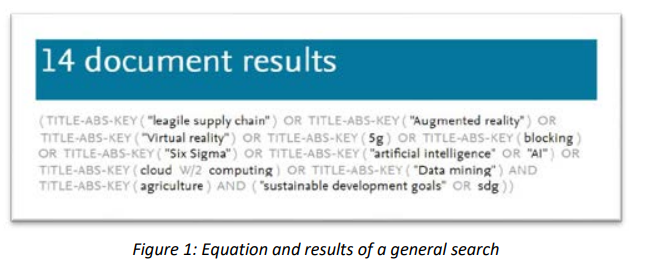
Logistics 4.0 technologies in agriculture systems: Potential impacts in the sdg
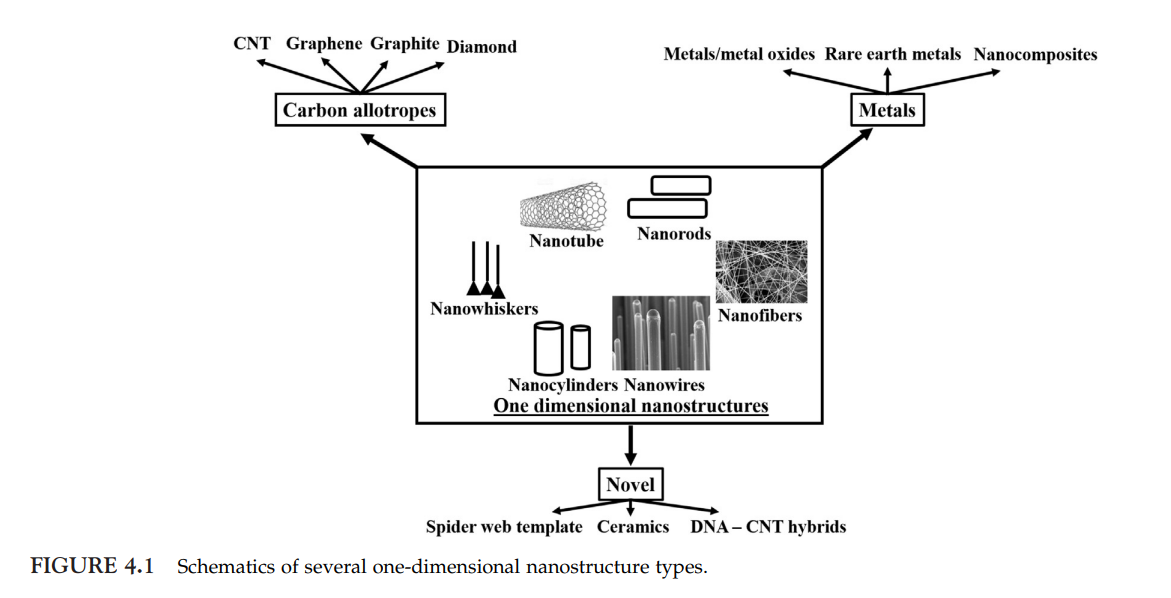
Sustainability of one-dimensional nanostructures: Fabrication and industrial
[No abstract available]
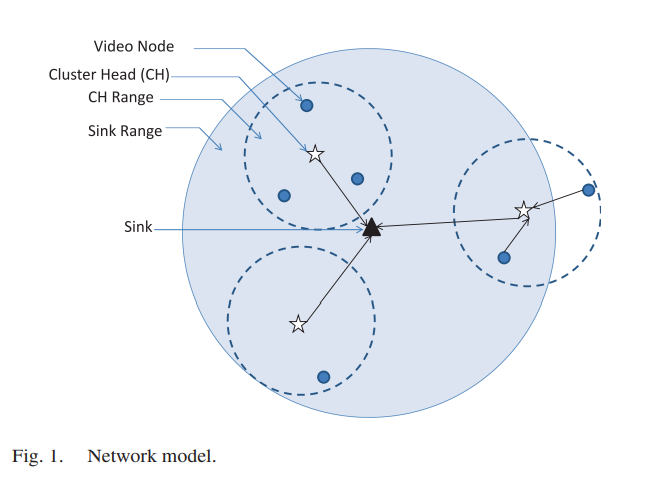
Optimal resource allocation for green and clustered video sensor networks
Wireless video sensor networks (WVSNs) are opening the door for many applications, such as industrial surveillance, environmental tracking, border security, and infrastructure health monitoring. In WVSN, energy conservation is very essential because: 1) sensors are usually battery-operated and 2) each sensor node needs to compress the video prior to transmission, which consumes more power than conventional wireless sensor networks. In this paper, we study the problem of minimizing the total power consumption in a cluster-based WVSN, leveraging cross-layer design to optimize the encoding power
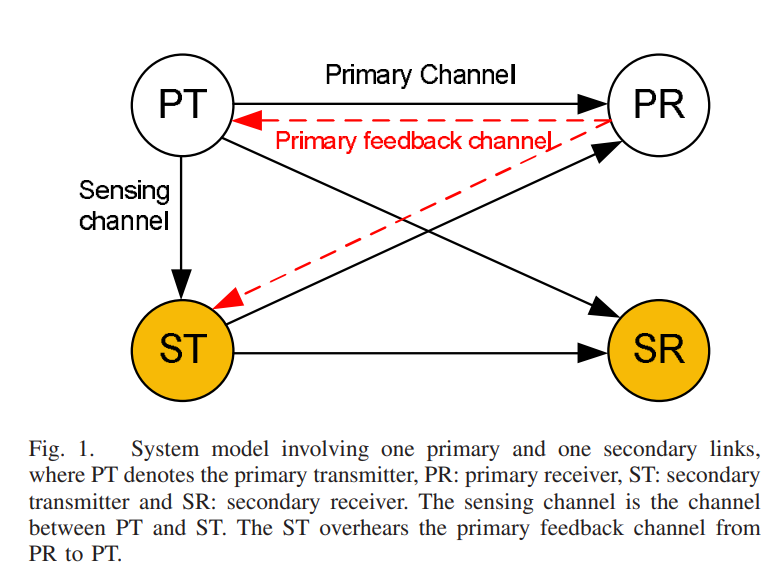
Leveraging primary feedback and spectrum sensing for cognitive access
We consider a time-slotted primary system where both the primary channel and primary activity are modeled as two independent two-state Markov chains. The primary transmitter can be idle or busy, whereas the channel can be in erasure or not. Moreover, the sensing channel between the primary transmitter and secondary transmitter is modeled as a two-state Markov chain to represent two levels of sensing reliability. At the beginning of each time slot, the secondary transmitter may remain idle, transmit directly, or probe the channel and access the channel only if it is sensed to be free. At the
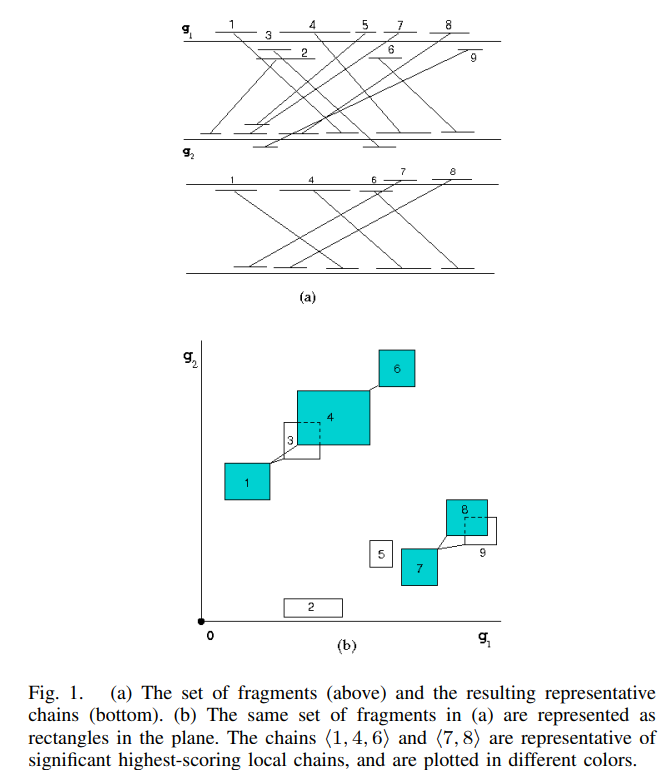
VisCHAINER: Visualizing genome comparison
Visualization of genome comparison data is valuable for identifying genomic structural variations and determining evolutionary events. Although there are many software tools with varying degrees of sophistication for displaying such comparisons, there is no tool for displaying dot plots of multiple genome comparisons. The dot plot mode of visualization is more appropriate and convenient than the traditional linear mode, particularly for detecting large scale genome deletions, duplications, and rearrangements. In this paper, we present VisCHAINER, which addresses this limitation, and displays
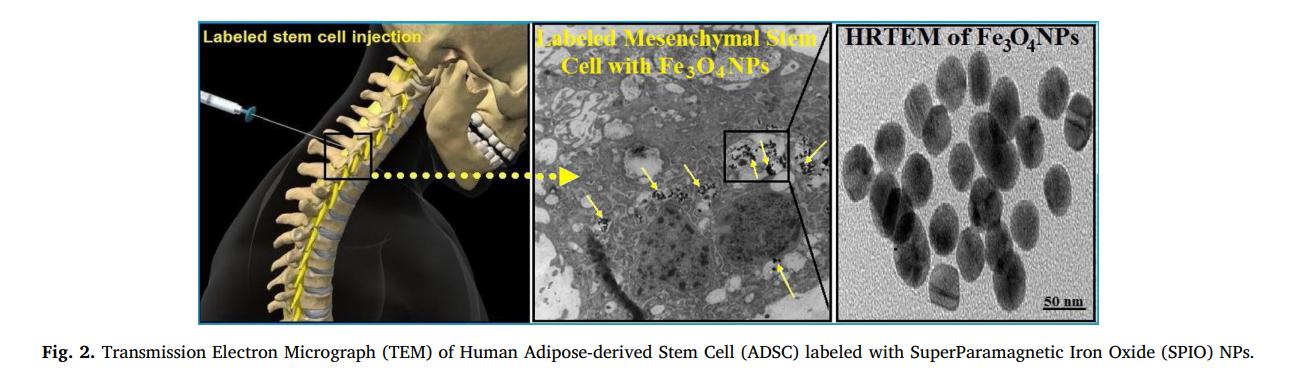
Therapeutic and diagnostic potential of nanomaterials for enhanced biomedical applications
Biomedical applications of nanomaterials have received considerable attention and interest from many researchers over the past decade due to the key role they can play in enhancing public health. Different types of nanomaterials possess both diagnostic and therapeutic potential owing to their outstanding properties compared to their bulk counterparts. Herein, we present, analyze and provide significant insights and recent advances about the promising biomedical applications of nanoparticles including bioimaging of biological environments and its role as a significant tool for early detection